
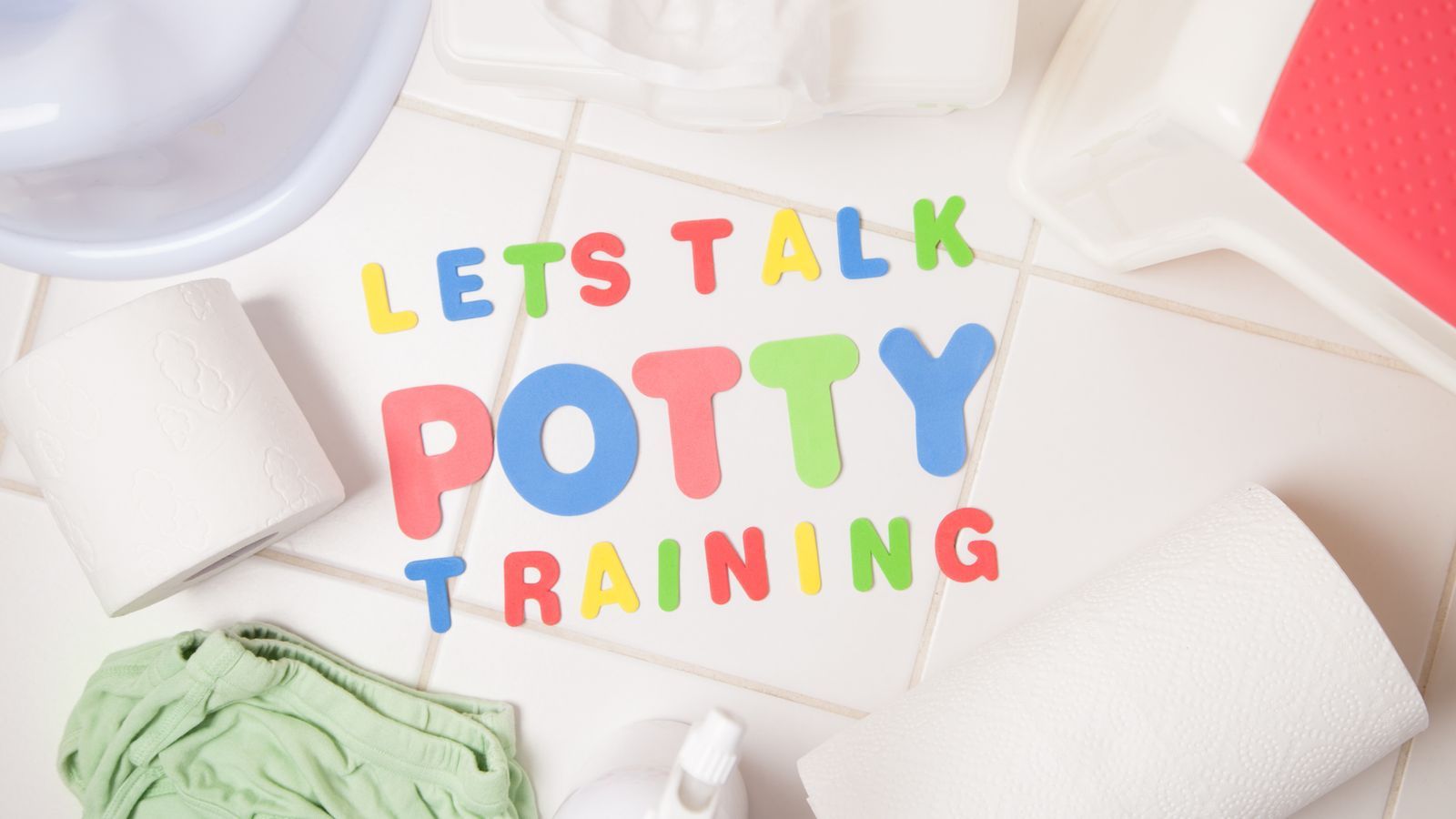
Potty Training: 3 Ways to Be Prepared for Parents
When your baby turns one, many parents start thinking about potty training. It’s often recommended to start between 18 months to 2 years, especially in the summer when babies wear fewer clothes.
But it’s not always easy. Some babies can’t pull down their pants, don’t like the potty, or only tell you after they’ve gone in their diaper. Parents might feel confused about how to train.
Just like anything, being prepared makes potty training easier. Here are 3 ways to be prepared for the training:
1. Physiological Readiness
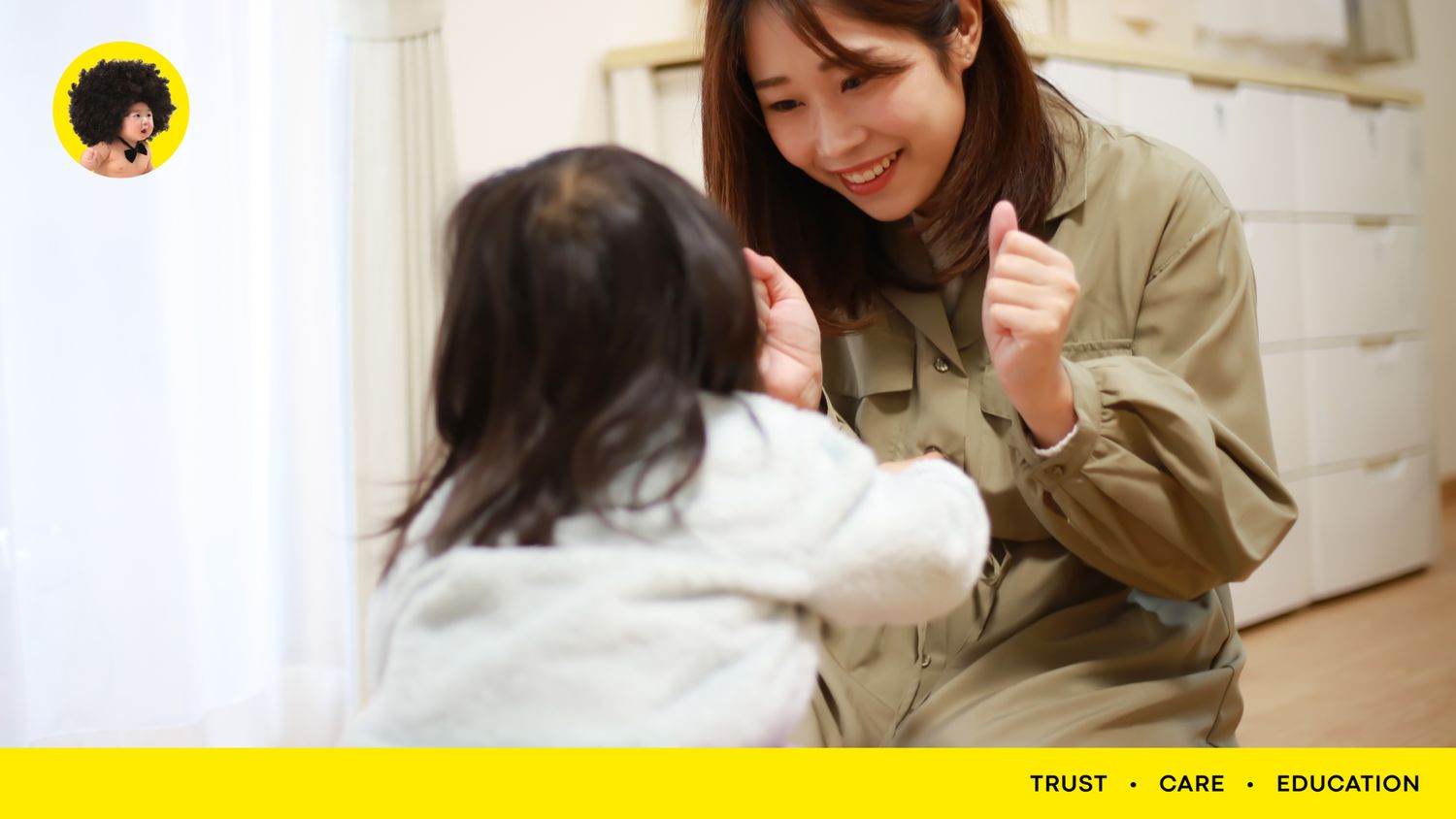
Before starting, your baby needs to be physically ready. This includes:
- Sensing and controlling the need to pee and poop;
- Telling you they need to go;
- Being able to walk to the toilet, sit on it, pull down pants, and squat.
Check if your baby shows most of these signs. Babies can be ready at different ages, but generally not before 18 months. You should take note of signs that shows your baby might not be ready:
- Strong resistance to the potty;
- Refusal to remove the diaper;
- Accidents even when not wearing a diaper;
- Indifference to dirty diapers.
2. Items Preparation
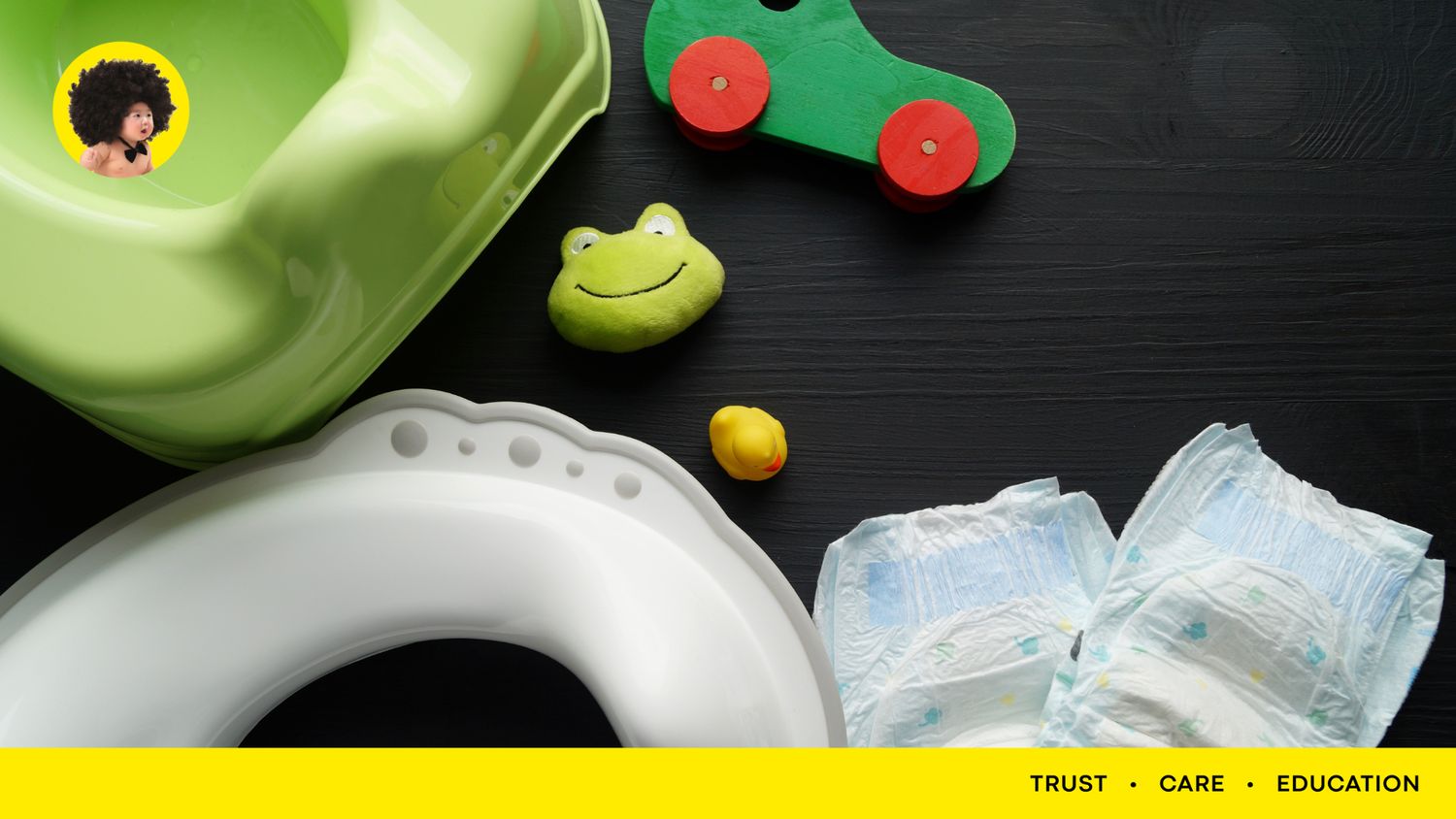
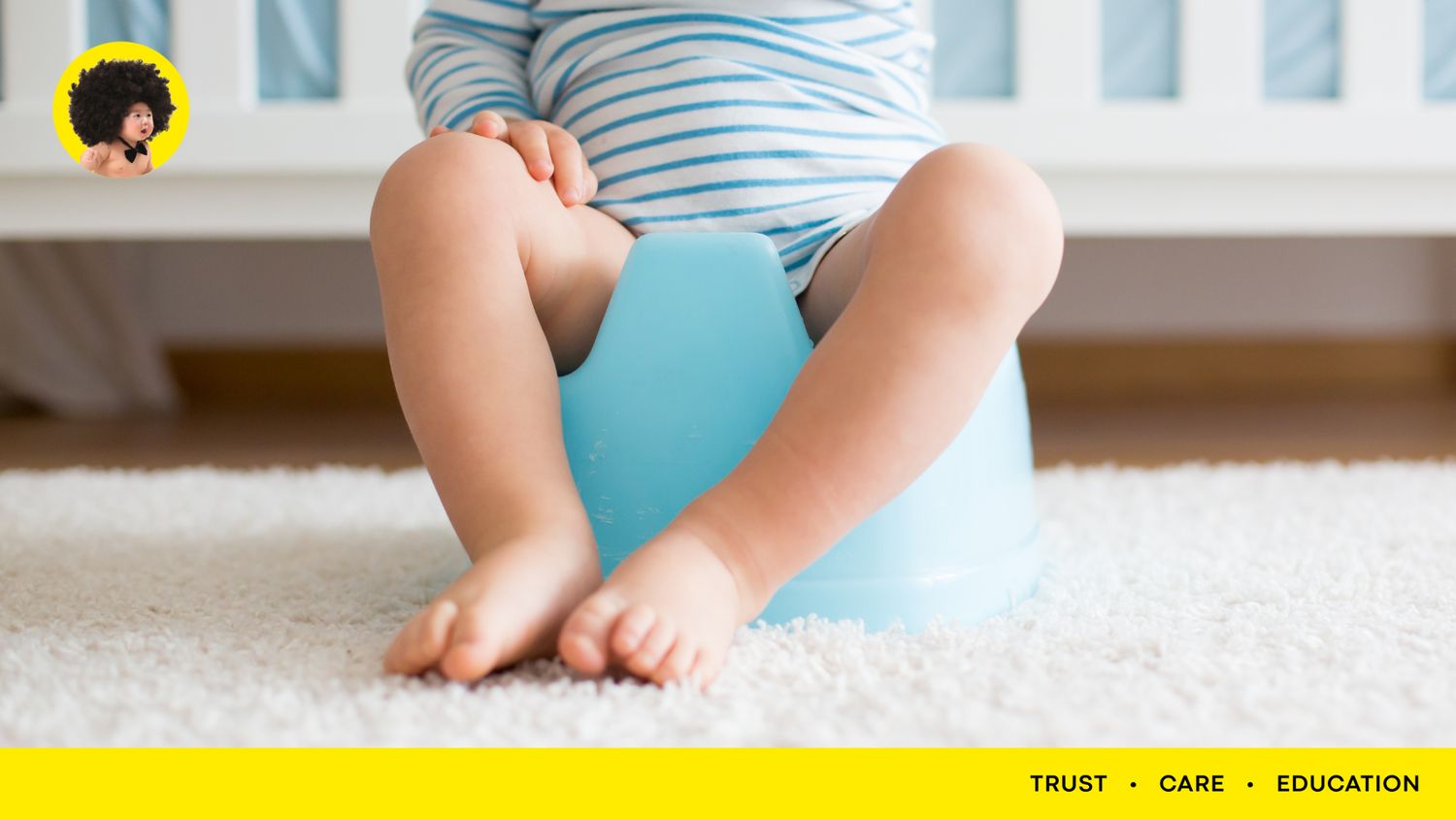
- Child-friendly potty
- Training pants
- Easy-to-remove clothes
3. Skills Preparation
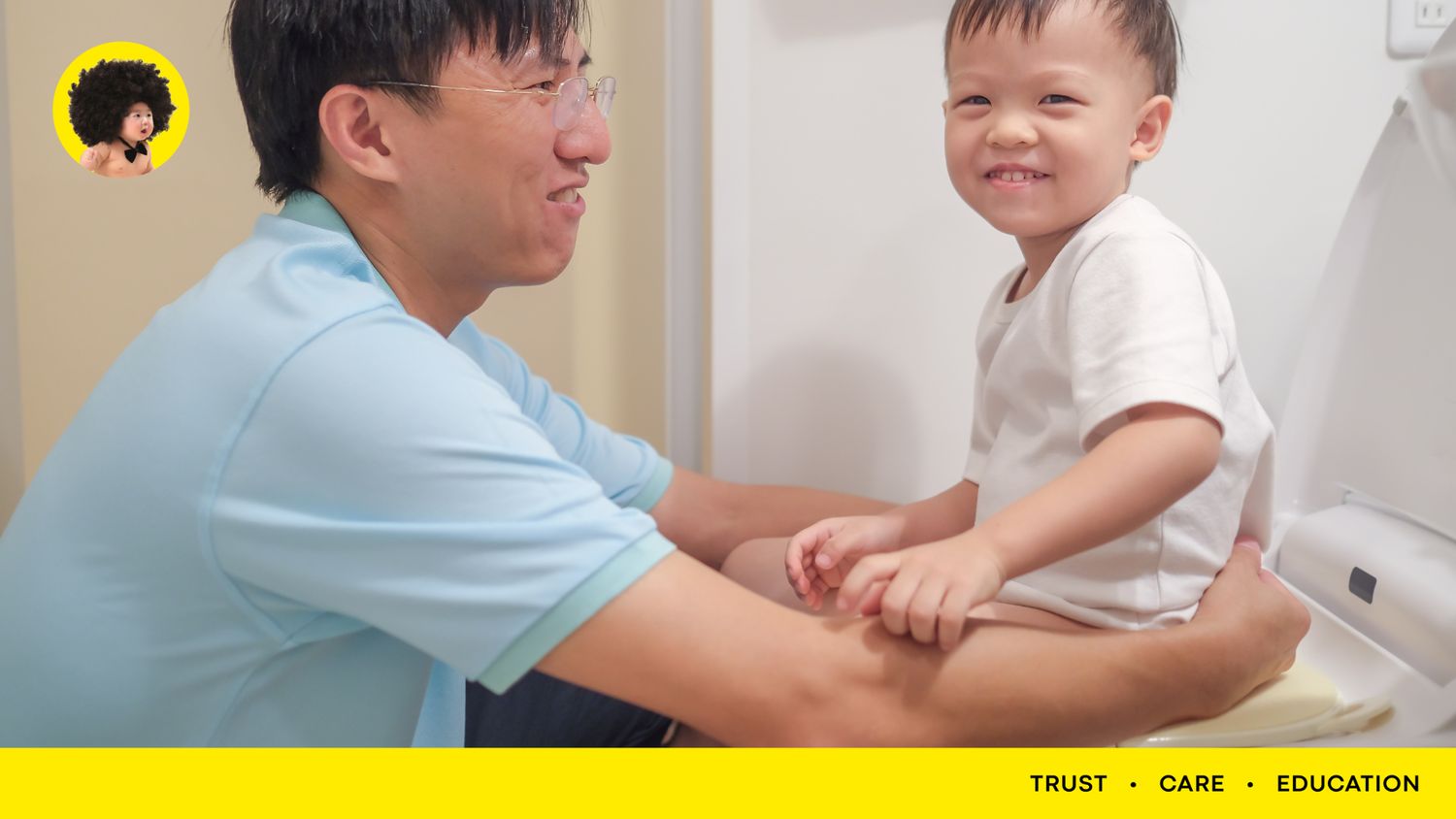
- Recognize and Communicate Needs:
Notice signs like stopping suddenly, frowning, or touching private parts. Help your baby connect these signs to using the toilet: “Do you feel like you need to go? Tell mommy next time.”
- Learn to Dress and Undress:
Around 18 months, teach your baby to pull their pants up and down. Start with underwear and help them practice.
Be Patient
Potty training can take time and might show slow progress with occasional setbacks. According to the Mayo Clinic, most children are daytime potty trained by age 4, but nighttime control can take until 5 to 7 years old. Accidents are normal.
Give your baby plenty of time to learn. Eventually, everyone learns to use the toilet independently.


