
Health Issues in Preterm Babies: 8 Problems to Look Out For
Preterm babies’ organs are not as developed as full-term babies. After birth, they suddenly face a new world, and their bodies are not ready. Even small changes can be strong and stressful for them, leading to various problems. The earlier the birth, the higher the chance of issues. This is why preterm babies often need to stay in the hospital for a while.
Some health issues in preterm babies get better soon, and others can improve with careful care in the first few months. The key is correct, detailed, and patient care. Here are 8 common health problems in preterm babies and what you need to pay attention to:
1: Unstable Body Temperature
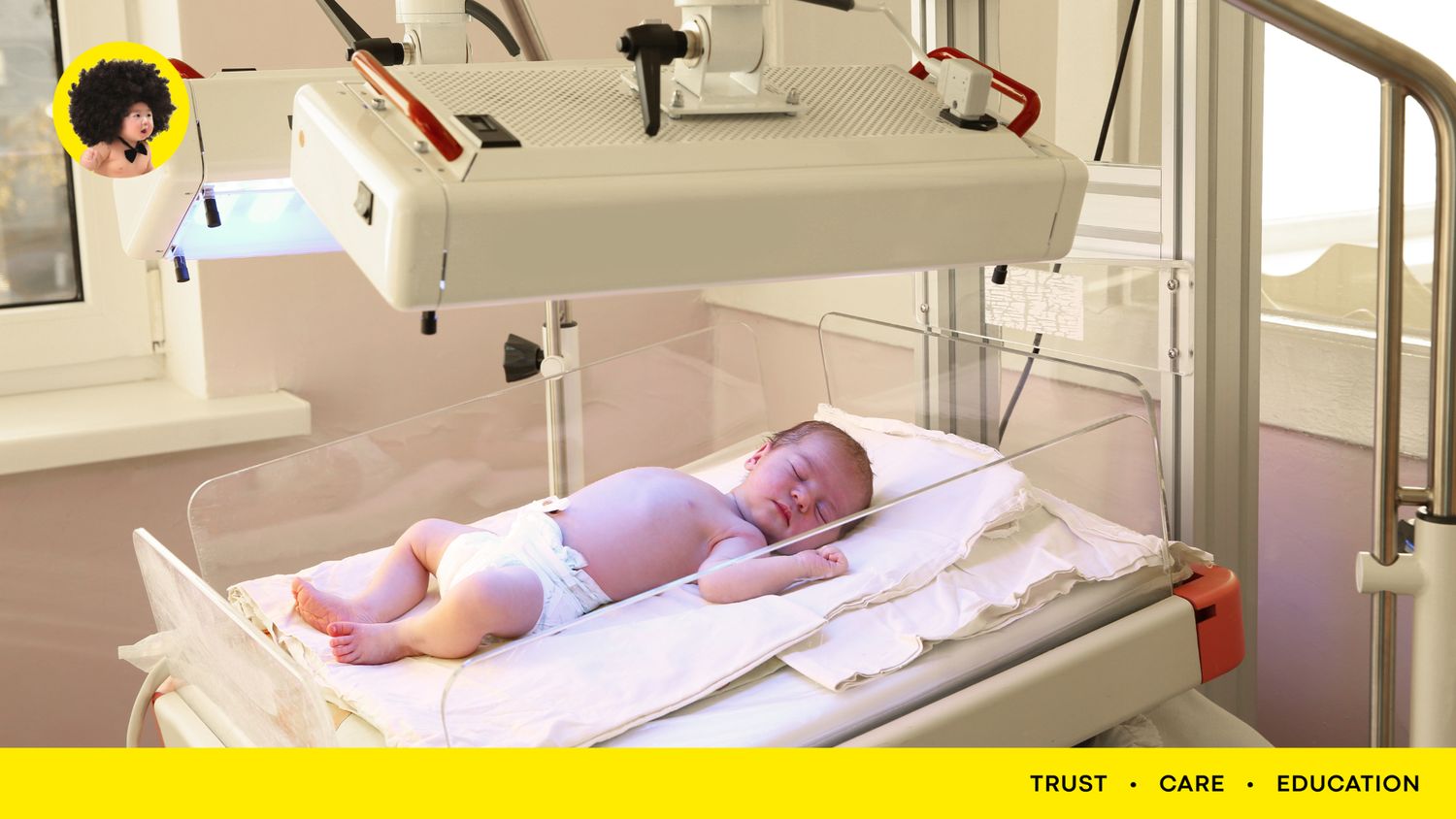
A stable body temperature is crucial for life. If a preterm baby weighs less than 2kg at birth or has other illnesses, they will quickly be placed in an incubator, as the temperature outside the womb is much lower. For full-term babies, wrapping them in a blanket helps maintain their body temperature at 36-37°C. Preterm babies’ temperature regulation is less mature, they have less body fat, and they produce less heat, causing them to be in danger of coldness and even overheating.
2: Brain Injury
Preterm babies’ brains are less developed. They can experience oxygen deprivation or birth complications, leading to issues like brain bleeding or white matter injury. These issues can cause long-term problems like developmental delays, speech delays, cerebral palsy, and increased chances of seizures.
3: Lung and Breathing Problems
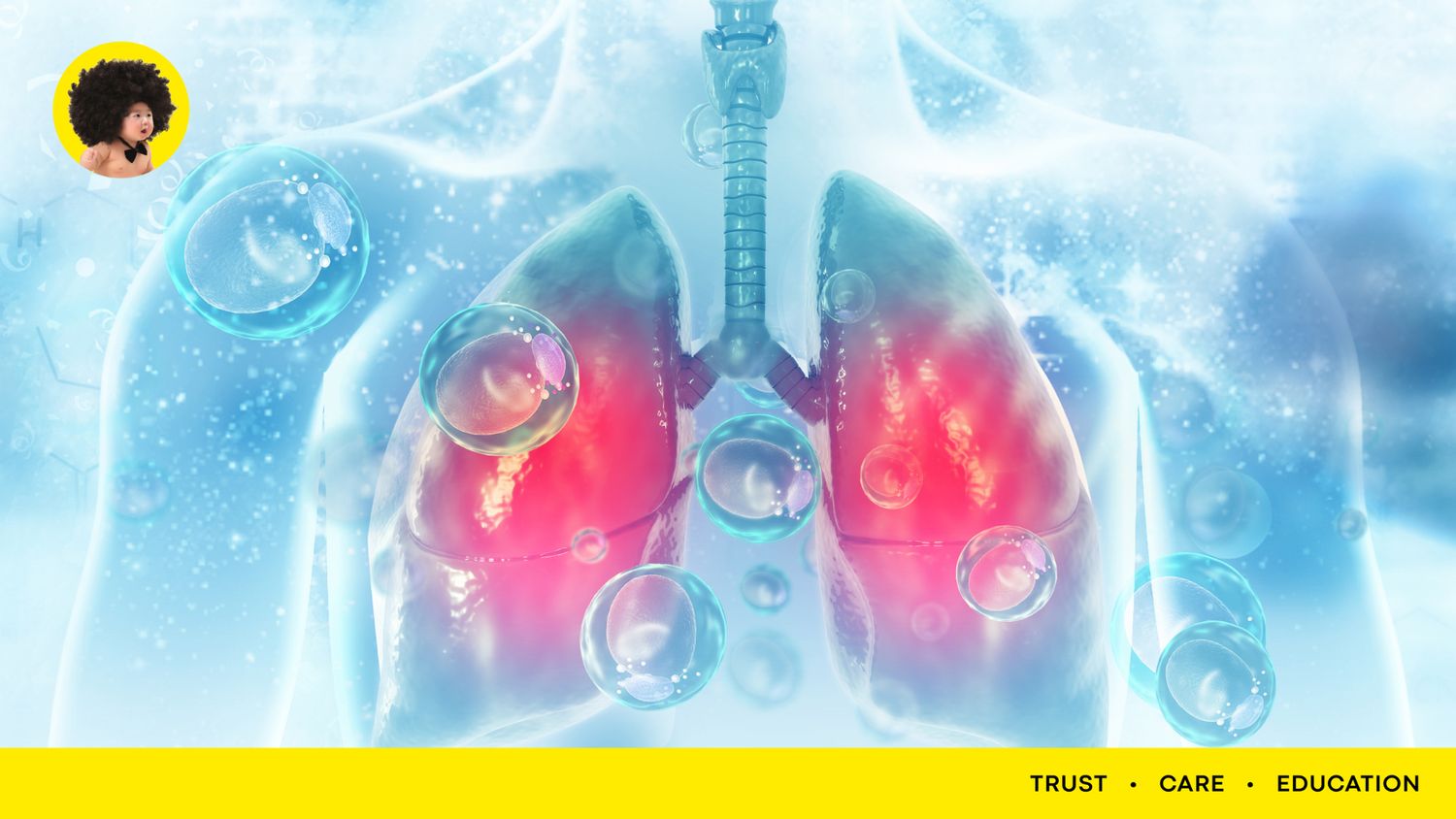
In the womb, a baby’s lungs are still developing and rely on the placenta for oxygen. Preterm babies’ lungs are less mature and may lack a substance called "surfactant," causing breathing problems. Their nervous system, which controls breathing, is also immature, and their airways can easily get blocked by mucus or phlegm, leading to irregular breathing or apnea.
4: Feeding and Digestion Problems
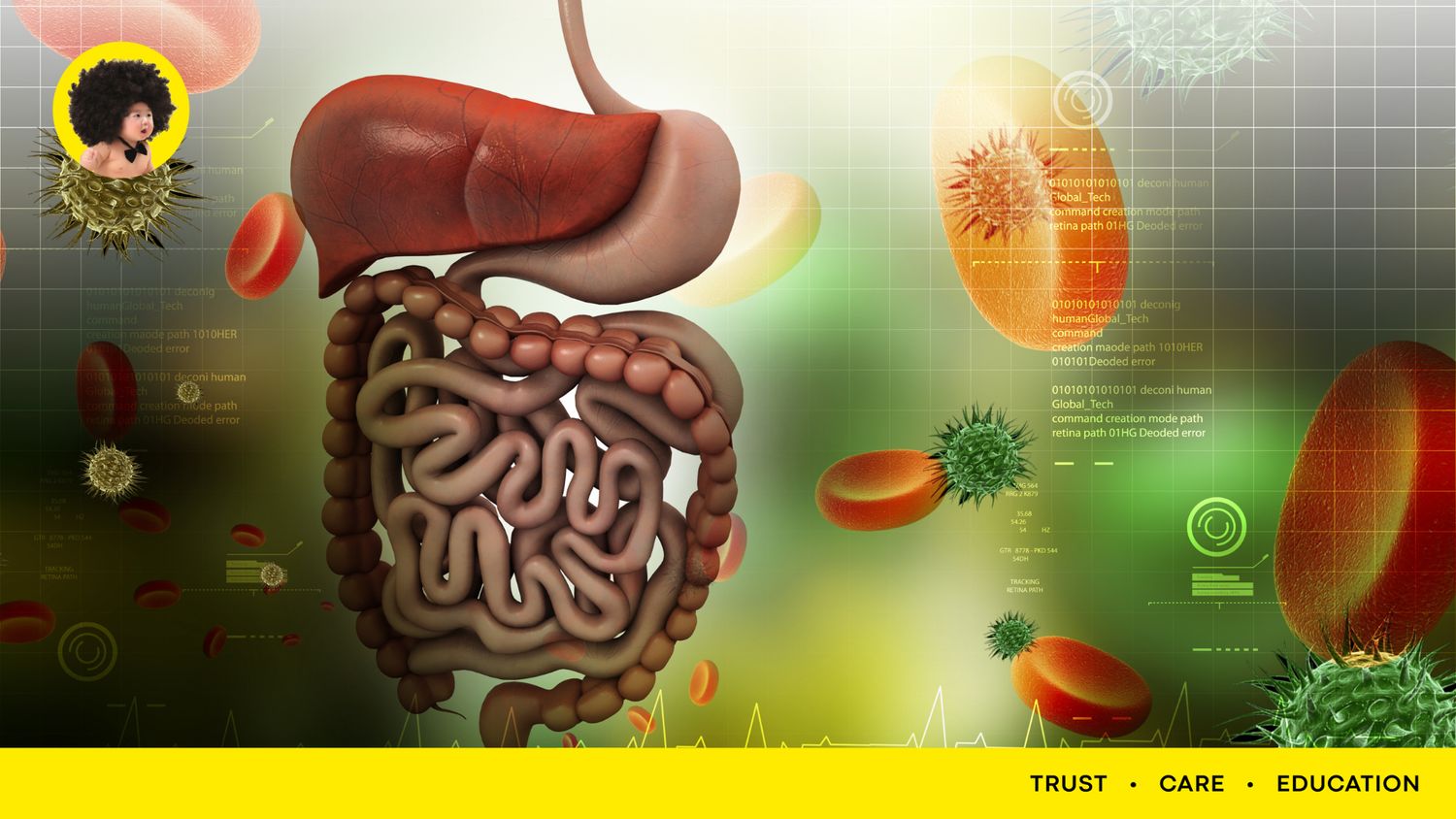
Preterm babies have fewer and less active digestive enzymes, making them prone to issues like bloating and vomiting. Their lower esophageal sphincter is also loose, leading to milk reflux and possibly pneumonia. Preterm babies often have delayed bowel movements.
5: Congenital Heart Disease
Preterm babies are prone to patent ductus arteriosus (PDA), a heart condition where a blood vessel connecting the pulmonary artery and aorta remains open. This can cause abnormal blood flow and strain on the heart, leading to heart failure.
6: Eye Problems

Preterm babies’ retinas are underdeveloped and can be damaged by oxygen therapy, leading to retinopathy of prematurity. Regular eye screenings are essential to detect and treat this condition early.
7: Anemia
Preterm babies often develop anemia early due to shorter red blood cell lifespan, less iron storage, and frequent blood tests. Severe anemia can cause pale skin, weak sucking, slow response, poor weight gain, and infections. Doctors may treat severe anemia with blood transfusions.
8: Infections
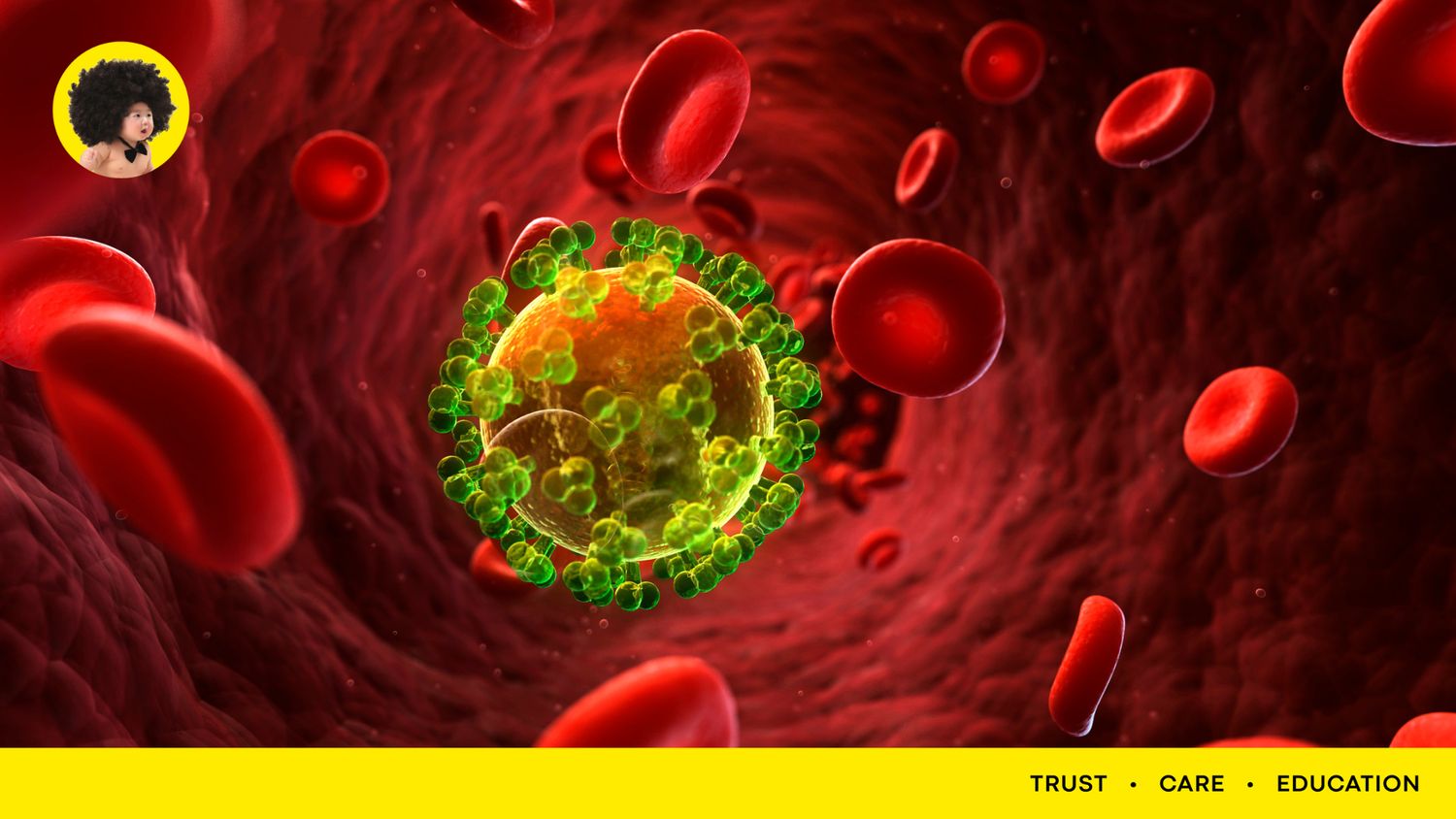
Preterm babies have weaker immune systems and are more prone to infections. Symptoms may not be as obvious as in full-term babies. Doctors use tests to diagnose and treat infections with antibiotics or immunoglobulins.
By following these care guidelines, most preterm babies can grow up as healthy as full-term babies.


