

Vaginal Birth vs C-Section Birth: Which Is Better For You?
When a mother is about to give birth, there will be times where they are thinking of how to do so. There are many ways, but the more familiar ones are vaginal and C-section birth. How to decide which is better for you? Here are some conditions that fit the scenario.
Situations Where Vaginal Birth is Possible:
Umbilical Cord Around the Neck
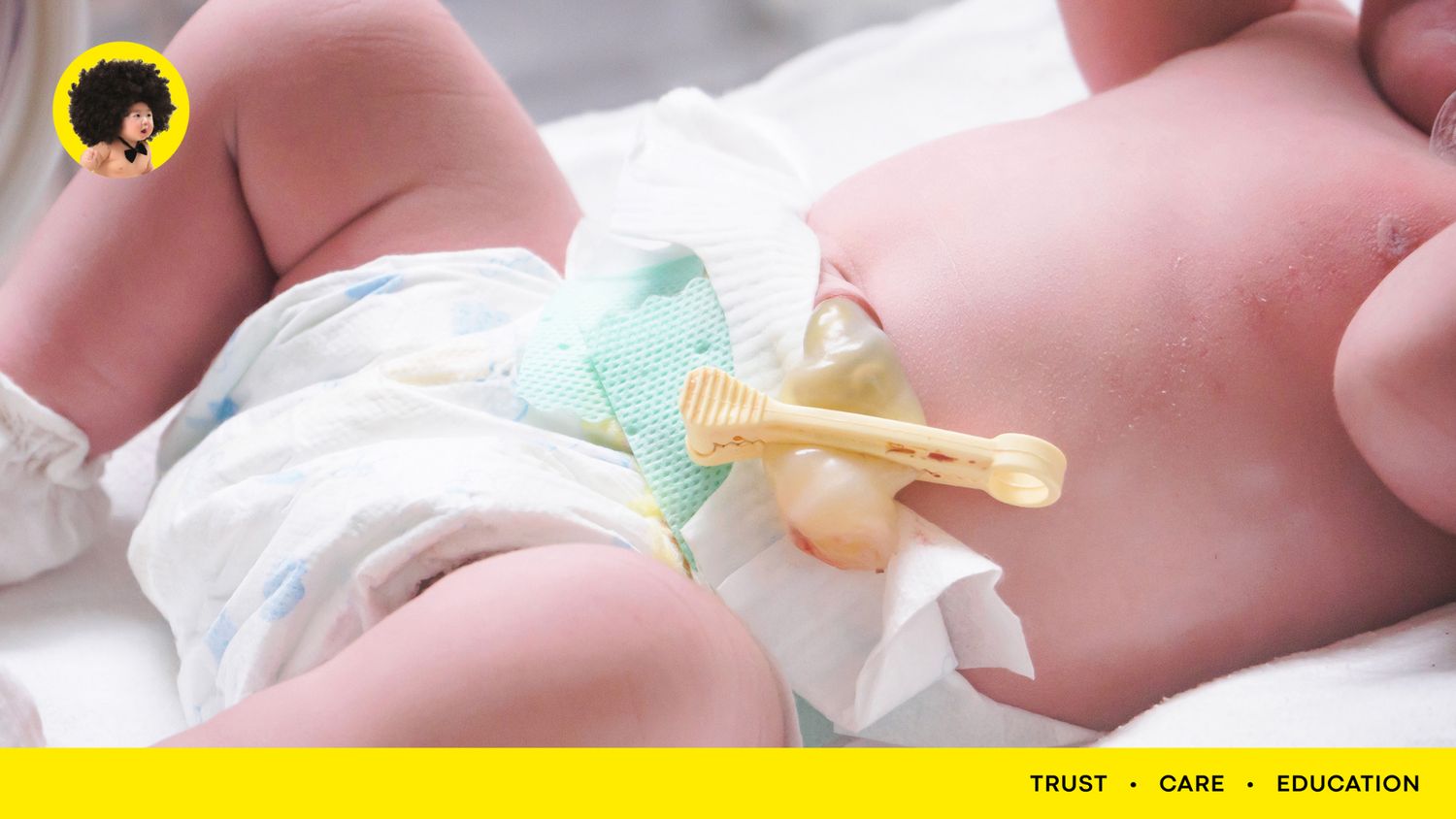
If the umbilical cord is wrapped around the baby's neck for only one or two weeks, many expecting mothers have successfully delivered vaginally. If it's wrapped for three weeks or more, doctors will assess the situation and discuss delivery options with the mother.
Advanced Maternal Age
Women aged 35 and above can try vaginal birth if both the mother and baby are in good health. However, if there are other complications, a C-section might be necessary.
High Myopia

Myopia with a degree of 600 or higher doesn't necessarily require a C-section. If the mother and baby are healthy, vaginal birth can be attempted. Concerns about retinal detachment or blindness due to pushing during childbirth are rare and not a major worry.
Vaginitis

Vaginitis doesn't typically require a C-section. If the mother and baby are healthy, vaginal birth is possible. However, treating vaginitis during pregnancy is crucial to avoid complications like premature rupture of membranes or low birth weight.
Situations Where C-Section Birth is More Likely:
Placenta Previa
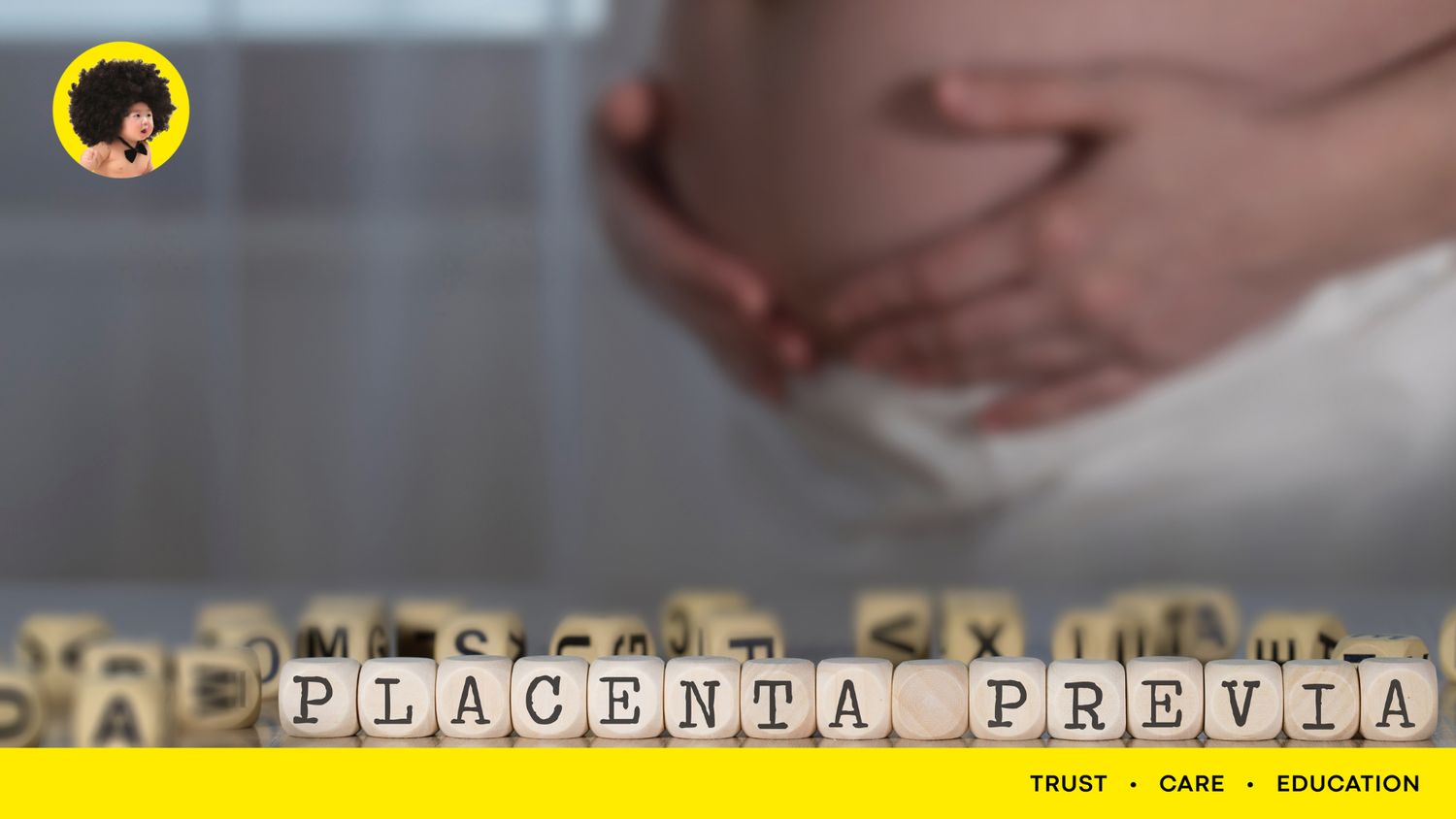
For most mothers with placenta previa, a C-section is the preferred option due to the high risk of bleeding even during a C-section.
Breech Presentation

Whether to choose vaginal or C-section delivery for a breech baby depends on factors like gestational age, estimated fetal weight, and pelvic structure. Most mothers opt for C-section delivery due to concerns about difficult childbirth or fetal distress.
Previous C-Section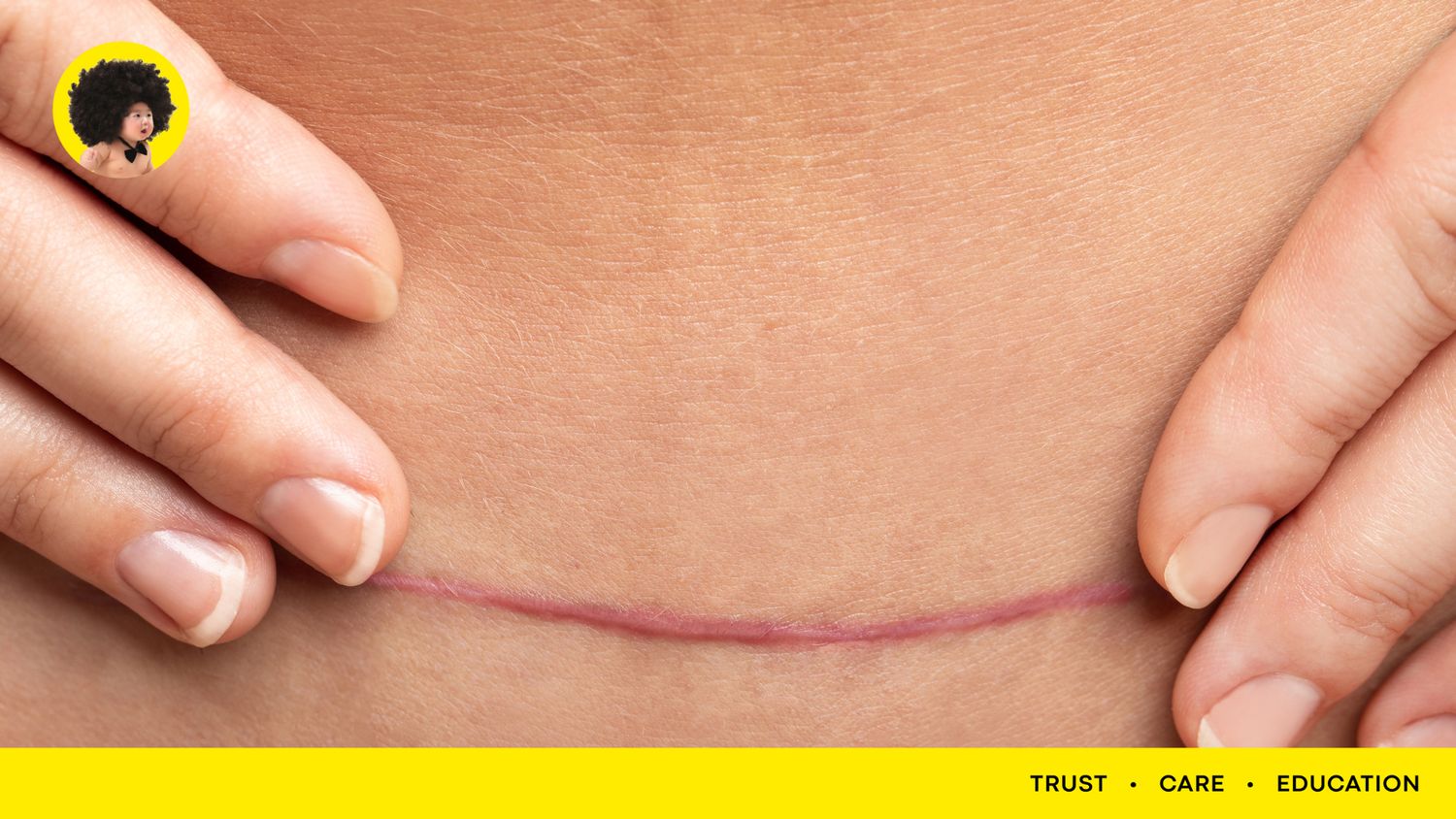
A previous C-section leaves a scar on the uterus. If attempting vaginal birth after C-section (VBAC), strict criteria must be met, including a sufficient interval since the previous C-section, good healing of the previous incision, estimated fetal weight below 8 pounds, and proper medical facilities available during delivery.
Oligohydramnios
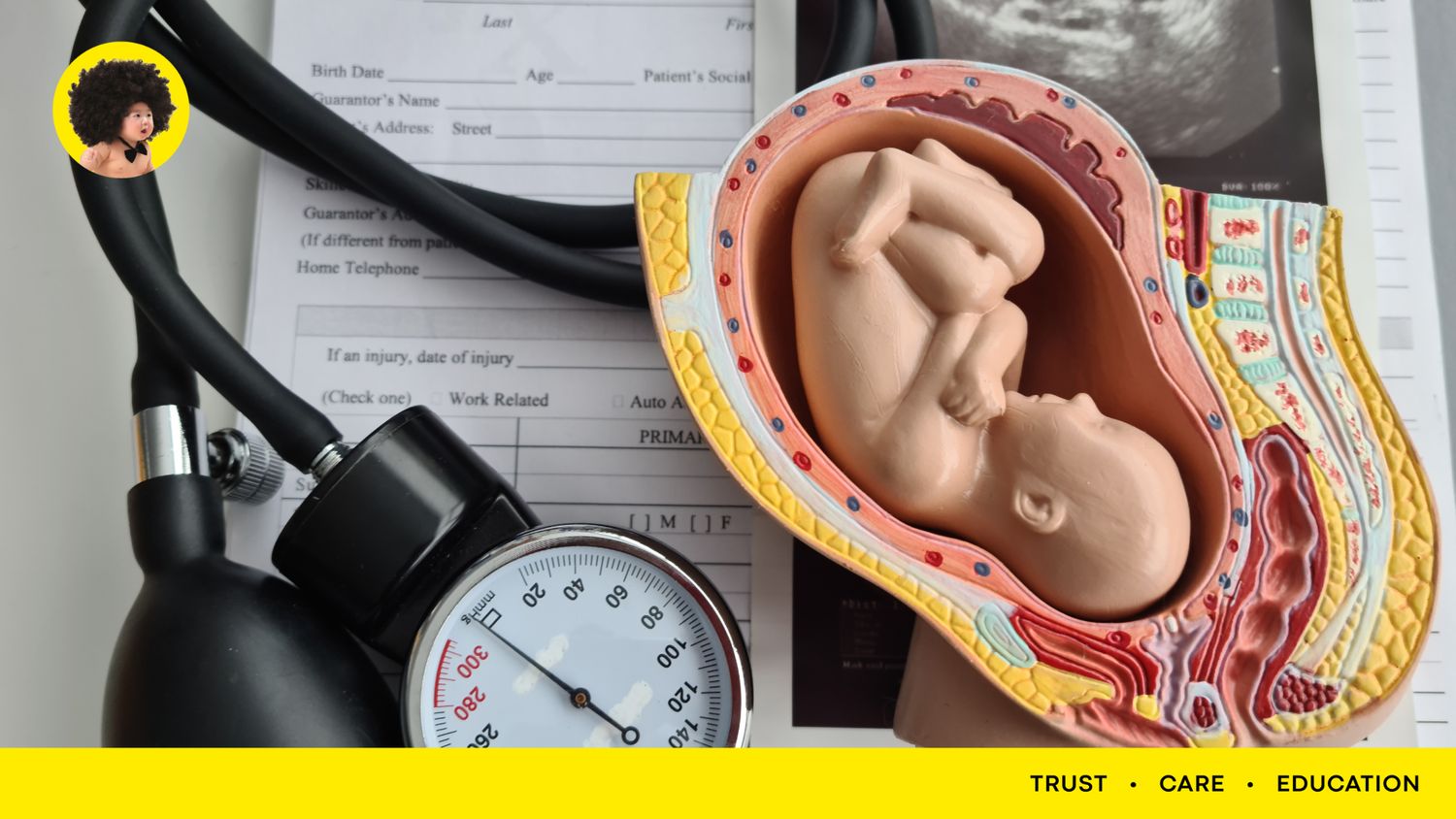
If the doctor determines that the baby may not be delivered quickly or there's a high risk of oxygen deficiency during vaginal birth, a C-section is necessary. If vaginal birth is feasible and the risk of oxygen deficiency is low, the mother can attempt vaginal birth under close observation. However, if signs of oxygen deficiency appear during labor, an immediate C-section is required.
The choice between vaginal and C-section birth depends on the health conditions of the mother and baby, and it's ultimately up to the doctor to choose the safest option.
Disclaimer: This article is for general information only, not medical advice from TCE Baby. Consult professionals for personalized guidance.


