
Amniotic Fluid: Understanding What It Is
TCE Baby22 July 20242,649
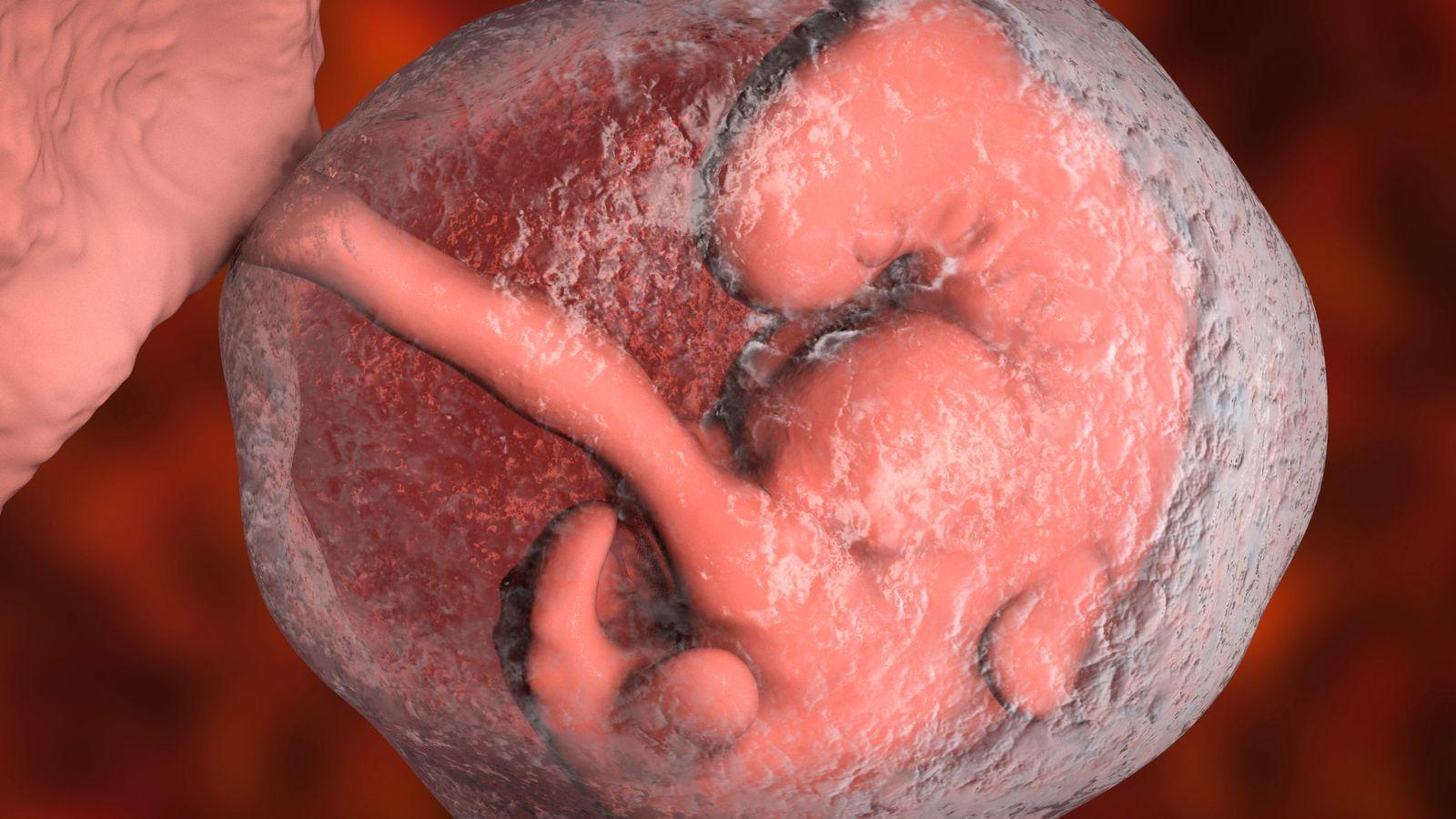
When you are pregnant, you will learn many new things. One important thing is amniotic fluid. If we compare a mother's womb to a house, the amniotic sac is like a sleeping bag inside the house. The baby is inside this "sleeping bag" with some liquid, which is the amniotic fluid.
Amniotic fluid has many important functions. Let’s look at what it does, where it comes from, and how it changes.
Main Functions of Amniotic Fluid
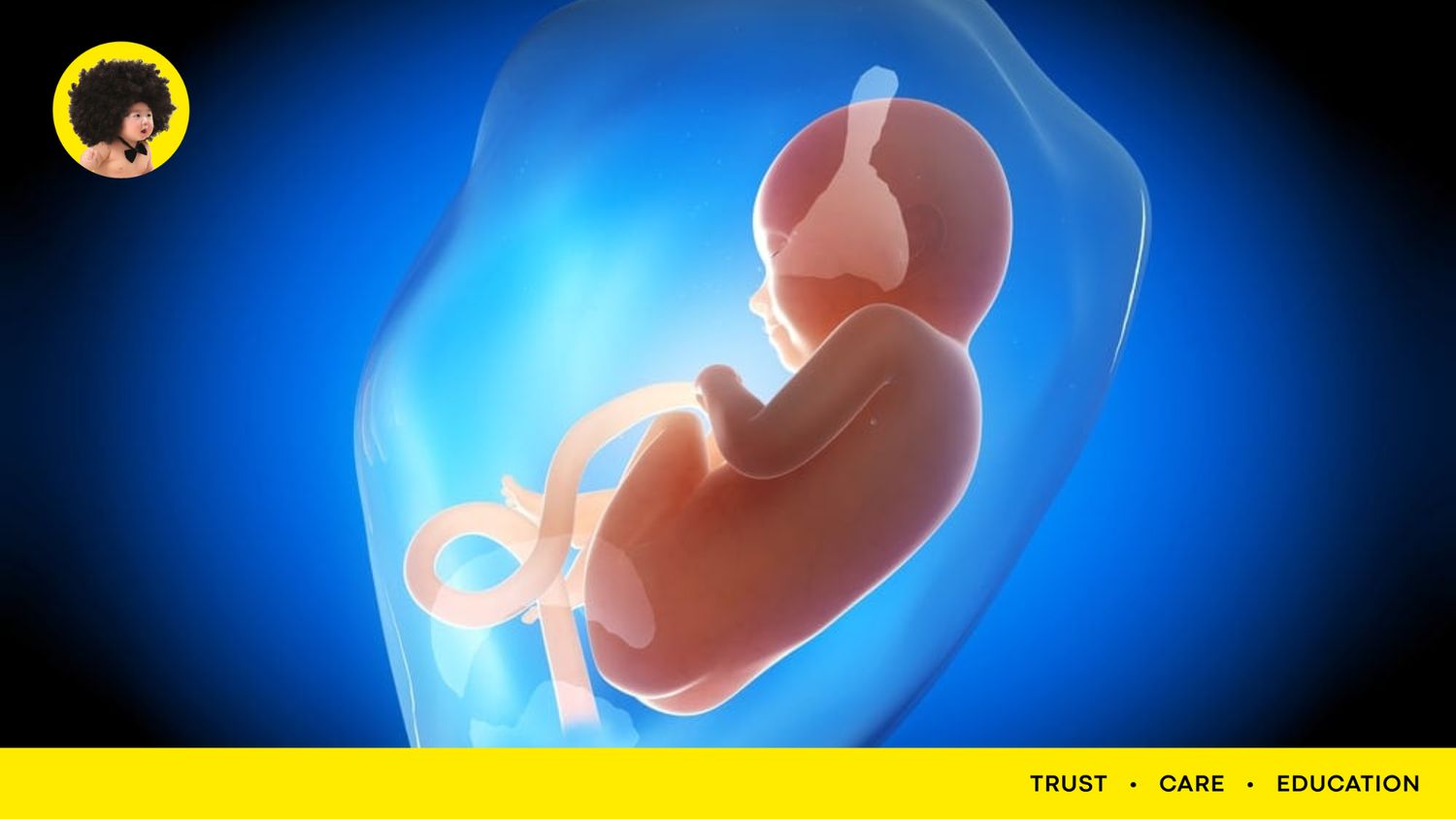
Amniotic fluid protects both the baby and the mother:
- Protecting the Baby
- Amniotic fluid acts like a "central air conditioner" in the womb, keeping the temperature constant, which is good for the baby's growth.
- It also works as a "cushion," reducing outside impacts on the baby and preventing the baby from being squeezed.
- The baby also swallows the amniotic fluid, which helps develop their digestive system and lungs.
- Protecting the Mother
- For the mother, amniotic fluid reduces the discomfort caused by the baby's movements.
- With amniotic fluid, the baby's movements feel like a "little fish swimming" or a "gentle kick." Without amniotic fluid, the movements would feel like "punches and kicks."
- Amniotic fluid also acts as a "natural cleaner." When the amniotic sac breaks during labor, the fluid washes the vagina, reducing the risk of infection for both mother and baby.
Sources of Amniotic Fluid

- Early Pregnancy: The fluid comes from the mother's blood.
- Mid-Pregnancy: The baby starts to swallow and urinate. The baby's urine becomes the main source of amniotic fluid. Baby urine is very clean and different from adult urine, so don't worry.
- Late Pregnancy: The baby's lungs also help form the fluid. Additionally, the baby's skin and the amniotic sac produce small amounts of fluid.
Where Amniotic Fluid Goes
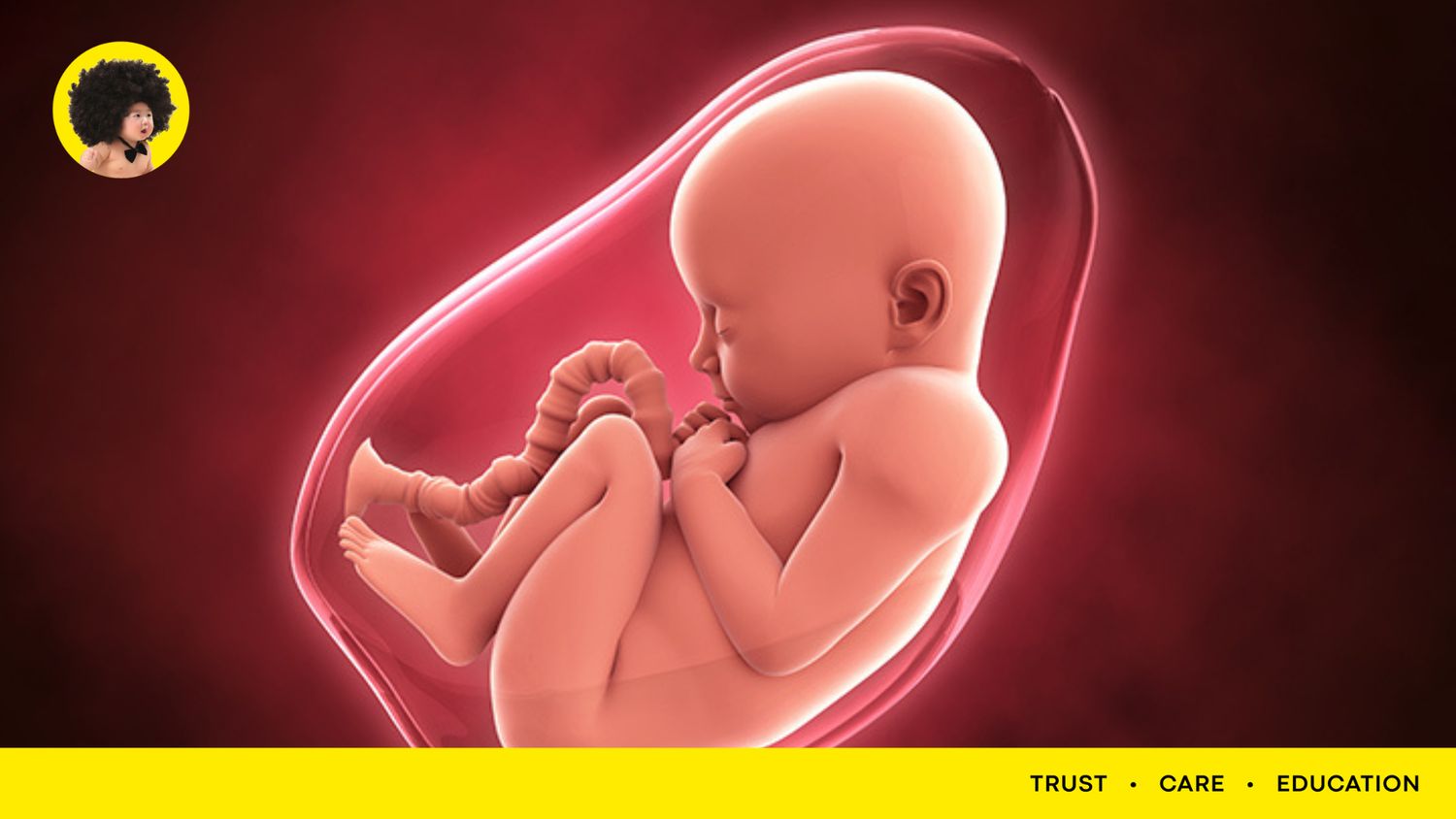
- The baby drinks some of it, about 500-700 ml a day by full term.
- The amniotic sac and the baby's skin absorb the rest.
Changes in Amniotic Fluid

- As pregnancy progresses, the amount of fluid increases, peaking at around 1000 ml at 38 weeks. After that, it decreases to about 800 ml by 40 weeks.
- Early in pregnancy, amniotic fluid is clear. By full term, it becomes slightly cloudy and contains small bits of the baby's hair and skin.
Regular check-ups are important to monitor amniotic fluid and the baby's condition. Keep an eye on the baby's movements and go to the hospital if there are any changes.


